
Raising Resilient Kids After Trauma: Supporting Survivors Who Are Parents
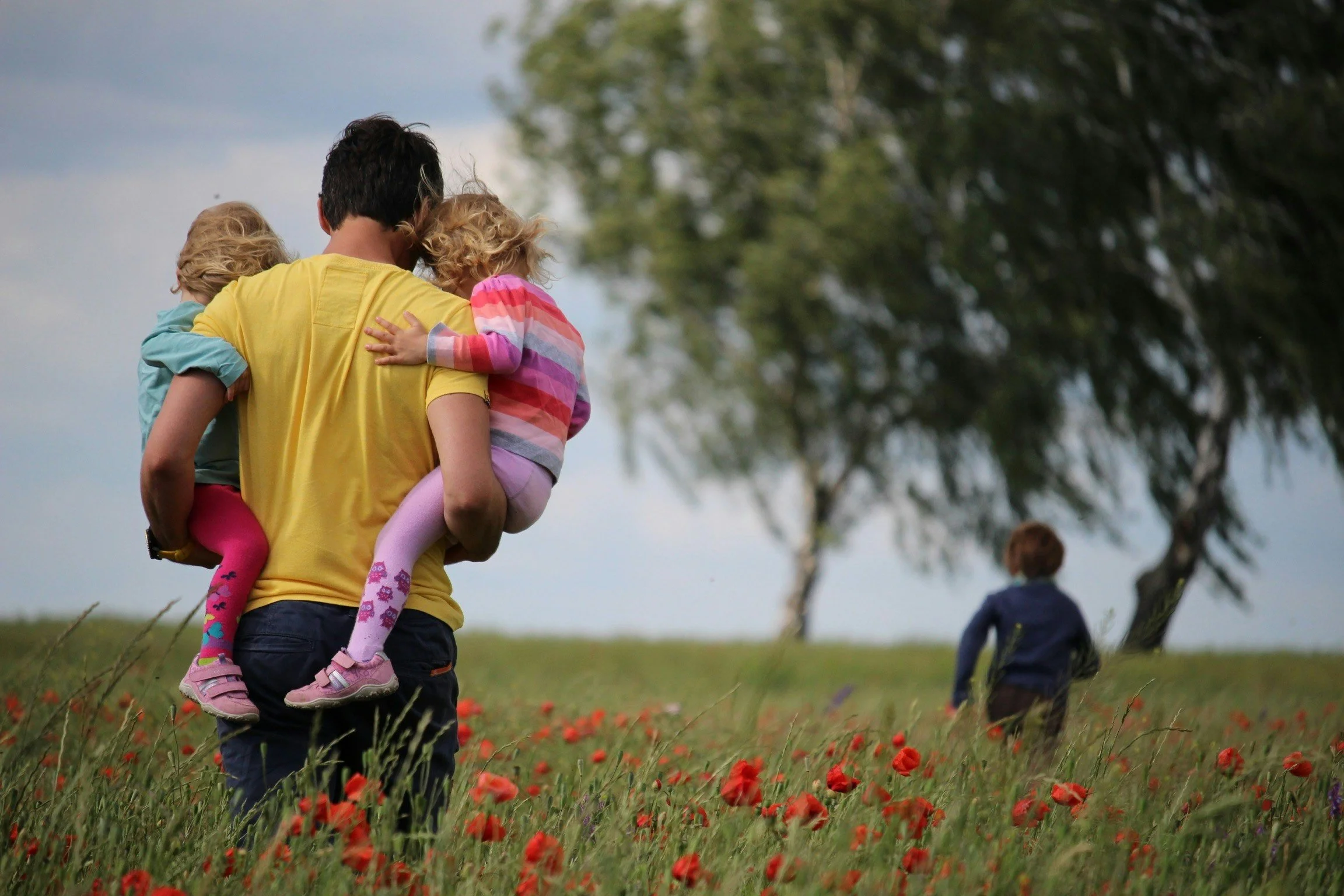
Parenting is hard enough on its own. But for survivors of sexual violence, it can come with an entirely different set of challenges. From managing triggers to navigating emotional regulation, many survivors quietly carry the weight of healing while also showing up every day for their children.
At V.O.I.C.E.S. Against Sexual Assault, we’ve walked alongside many survivors who are also parents; people doing the brave work of breaking cycles, building trust, and creating safe homes while continuing to process their own pain. This blog is for them, and for the loved ones who want to support them.
The Complex Reality of Parenting After Trauma
Survivors often describe parenting as both a motivation and a trigger. On one hand, their children become a reason to heal, a driving force for creating change. On the other, parenting can surface unresolved pain, especially when it comes to boundaries, safety, and emotional regulation.
Many survivor-parents struggle with:
Hypervigilance. Trauma often wires the brain to constantly scan for danger. As parents, this can lead to overprotectiveness or fear-based decision-making.
Emotional numbness or reactivity. Some survivors have difficulty expressing affection or patience, while others find themselves reacting with anger or shutting down entirely.
Guilt and shame. It’s common to feel unworthy, afraid of “messing up” their kids, or haunted by the past, especially if the abuse occurred in childhood or by a family member.
Difficulty trusting others. Leaving children with babysitters, teachers, or even co-parents can be deeply triggering.
All of these responses are understandable. They are not signs of bad parenting, they are signs of unresolved trauma.
Creating a Healing Environment for Yourself and Your Children
You don’t have to be fully healed to raise emotionally healthy kids. But the more support and tools you have, the easier it becomes to model regulation, honesty, and resilience.
Here are some ways survivors can care for themselves while also nurturing their children:
1. Normalize feelings, yours and theirs. Children learn emotional intelligence by watching the adults in their lives. You don’t have to be perfect, but you can be honest. “I’m feeling overwhelmed right now, so I’m going to take a few deep breaths before we talk,” can teach more than any lecture ever could.
2. Practice co-regulation. Healing often begins in safe relationships. When your child is dysregulated, instead of reacting, try connecting. Get on their level, make eye contact, and breathe together. The goal isn’t perfection...it’s presence.
3. Ask for help. One of the hardest things for many survivor-parents is accepting support. Whether it’s childcare, therapy, or just someone to talk to, allowing others in is a step toward healing, not a sign of weakness.
4. Create safety, not fear. It’s okay to teach your kids about body boundaries, consent, and safety—but do it in a way that empowers them, not frightens them. Start early with age-appropriate conversations, and revisit them often.
5. Prioritize your healing. The more supported you feel, the more support you can offer your children. This might mean attending therapy, joining a support group, or carving out quiet time to journal, walk, or pray. Self-care isn’t selfish, it’s foundational.
How VOICES Supports Survivor-Parents
Through our Healing Voices program, we’ve worked with survivors who are mothers, fathers, guardians, and caregivers. Many have joined our 10-week program while also juggling school drop-offs, bedtime routines, and busy households. They come seeking tools to manage anxiety, process trauma, and create a better emotional climate for their children.
Some of our participants have shared that they are now using the breathing exercises they learn in group with their kids. Others have told us that the first time they felt truly supported as a parent was inside our virtual healing circle.
This summer, we’re expanding our services to include youth programming. Our goal is to provide healing not only for the survivor, but for their children as well, offering a full-circle approach to generational healing.
Final Thoughts
You can be a survivor and a good parent. You can be healing and still worthy of love, respect, and trust. You don’t have to do it perfectly; you just have to keep showing up, with honesty and care, for yourself and for your children.
At VOICES, we’re here to walk with you, not just as a survivor, but as a parent who is choosing to heal; for your family, and for yourself.
If you or someone you know is a survivor who is also parenting, our doors are open. You are not alone, and your healing matters.