
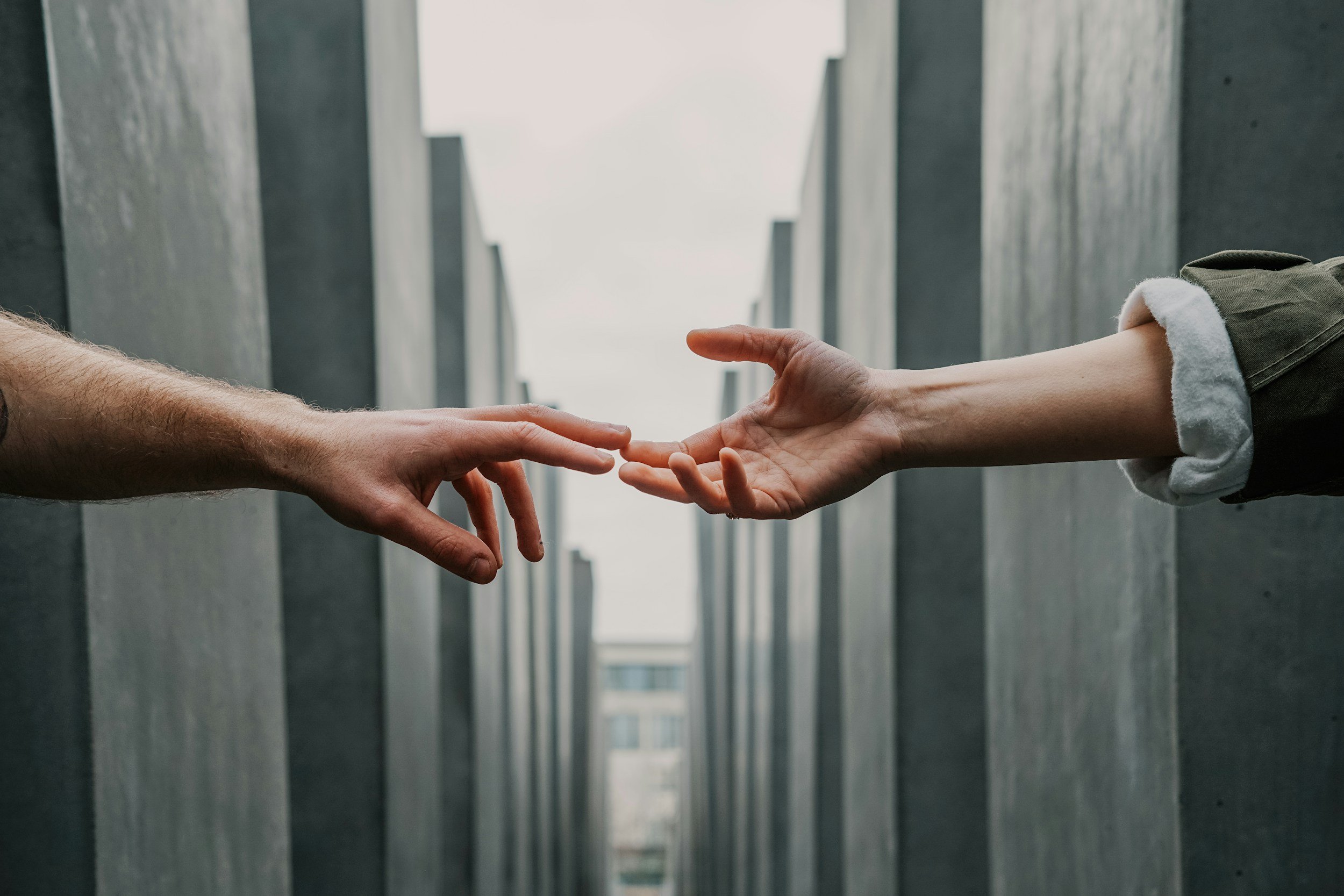
From Silence to Support: Addressing Suicidal Thoughts in the Wake of Sexual Trauma
September marks Suicide Prevention Awareness Month, a time when communities across the country come together to elevate a message that is often whispered, ignored, or deeply misunderstood: you are not alone, and your life matters.
At V.O.I.C.E.S. Against Sexual Assault, we work with survivors who have experienced some of the darkest chapters imaginable. Many carry trauma so heavy that it feels unbearable. For some, the weight of shame, pain, and isolation leads to thoughts of self-harm or suicide. These thoughts are not a sign of weakness; they are a response to overwhelming trauma and an urgent call for support.
We believe that breaking the silence around both sexual assault and suicidal ideation is essential for healing. Survivors deserve to be seen, supported, and reminded that hope is possible...even after trauma.

Beyond Survival: Redefining Healing and Empowerment After Sexual Assault
When someone experiences sexual violence, the world often starts defining them by what happened. They become “a victim” in the eyes of systems, paperwork, and sometimes even their own inner voice. But healing isn’t just about recovering from trauma. It’s about moving beyond survival into something more whole, more rooted, more powerful.
At VOICES, we believe healing is not a return to who you were before, it’s becoming who you were always meant to be.
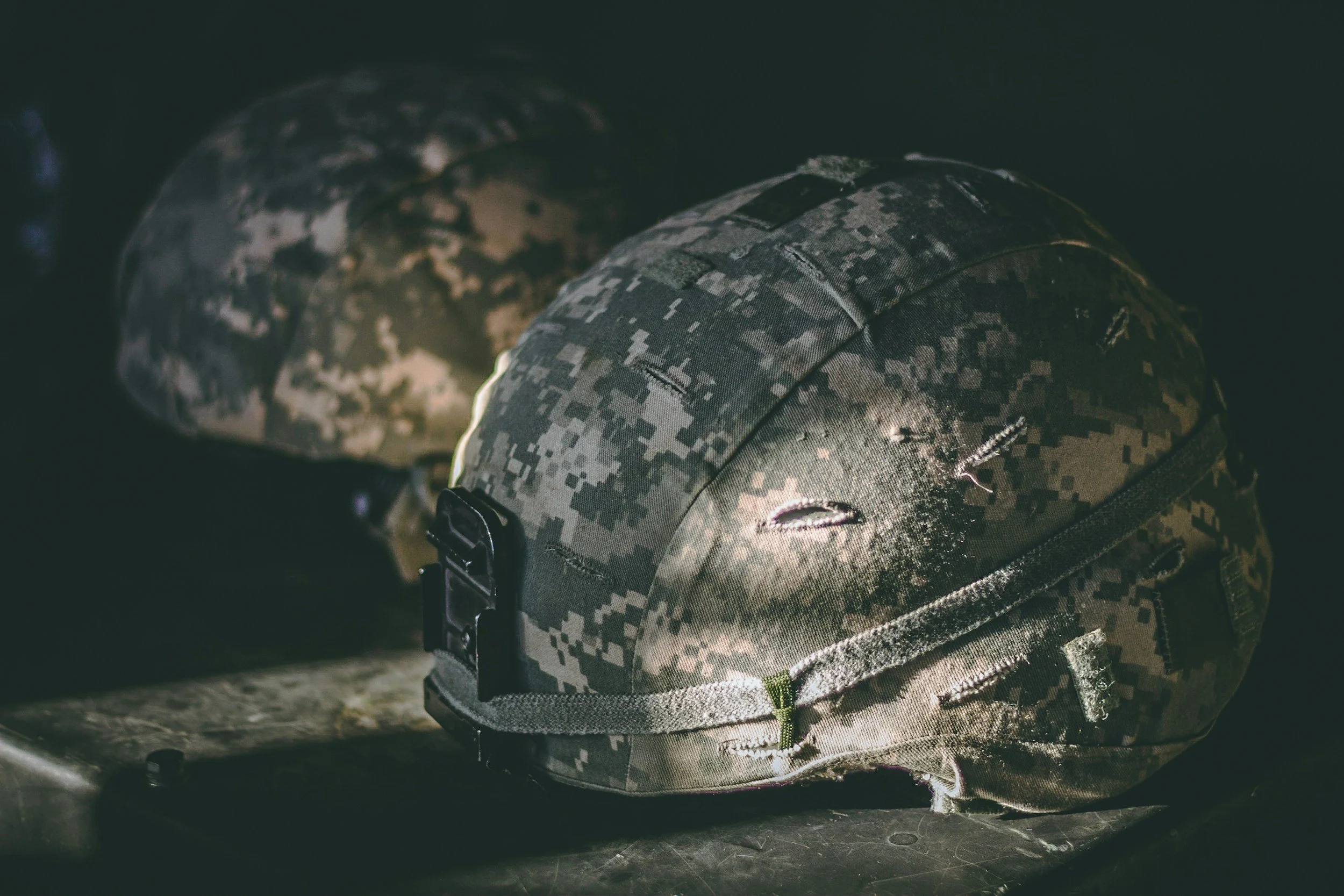
Behind the Uniform: Confronting Military Sexual Trauma and the Fight for Healing
As the country celebrates independence this July, honoring the service of our military members, we must also acknowledge the battles many veterans continue to fight long after their uniforms are folded away.
For too many service members, the enemy wasn’t foreign. It was within their own ranks.
Military Sexual Trauma (MST) refers to sexual assault or harassment that occurs during military service. It affects thousands of veterans; women and men alike and yet remains one of the most underreported, stigmatized, and misunderstood forms of trauma.
At V.O.I.C.E.S. Against Sexual Assault, we are committed to supporting survivors of MST. This includes creating spaces where their experiences are acknowledged, their pain is believed, and their healing is prioritized.
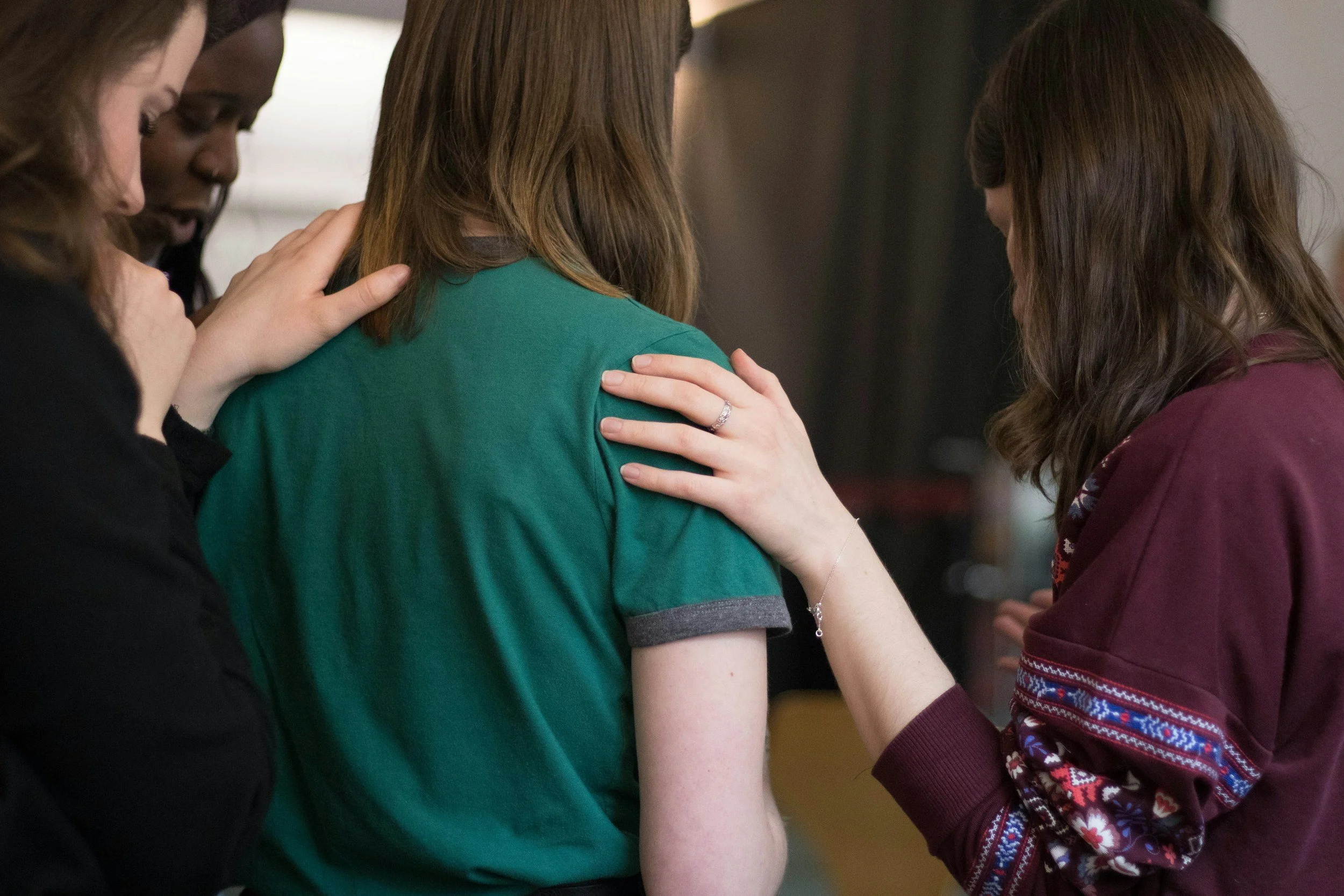
Trauma Doesn’t Expire: Understanding Delayed Disclosure and the Need for Long-Term Support
June is PTSD Awareness Month, a time to recognize the invisible wounds many survivors carry. For those who have experienced sexual violence, those wounds often remain unspoken; not for days or weeks, but for years.
At V.O.I.C.E.S. Against Sexual Assault, we meet survivors at all stages of their healing journeys. Some come to us just months after an assault. Others are seeking support for the very first time, decades after the trauma occurred. This is the reality we must talk more about: healing doesn’t follow a timeline, and trauma doesn’t expire.
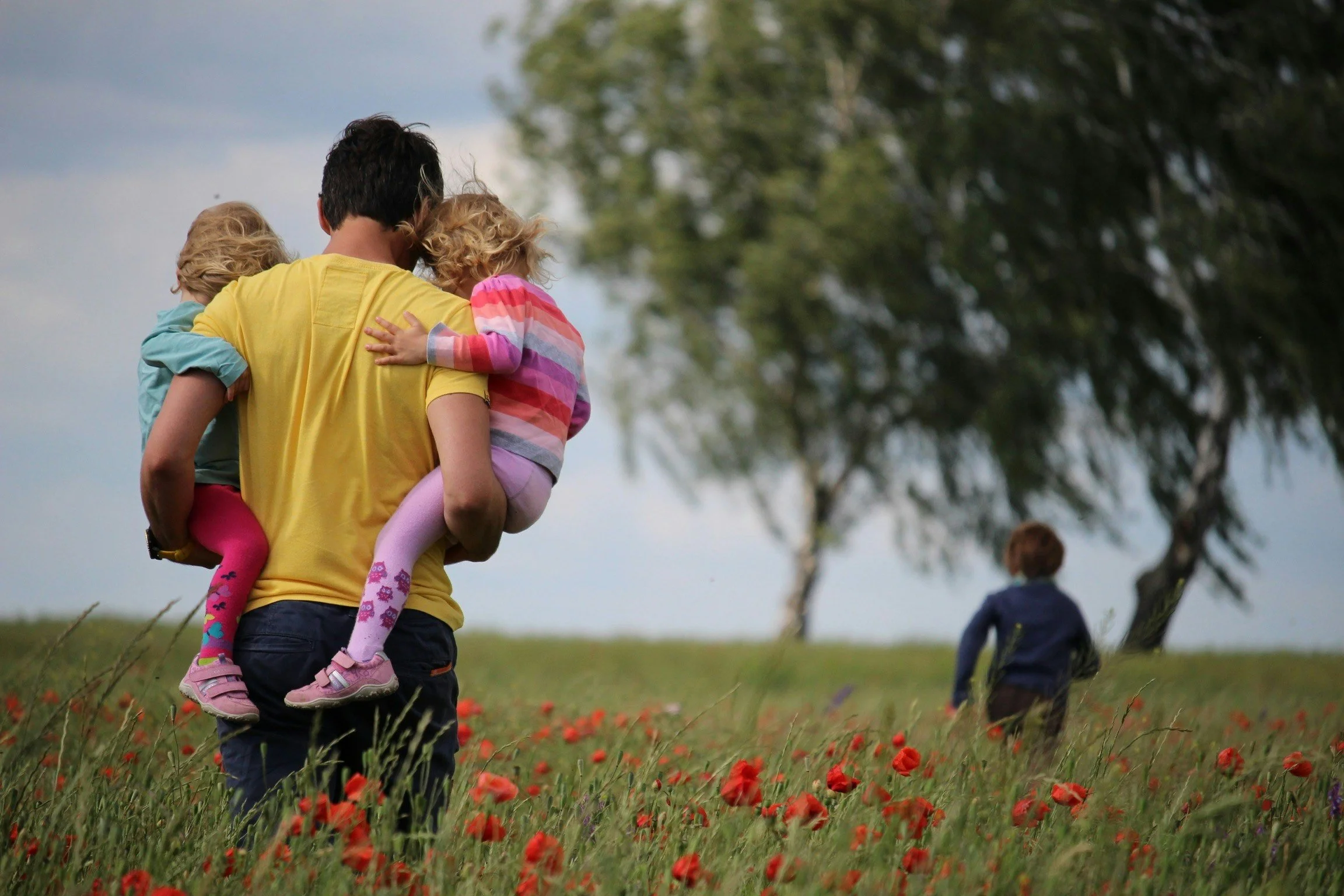
Raising Resilient Kids After Trauma: Supporting Survivors Who Are Parents
Parenting is hard enough on its own. But for survivors of sexual violence, it can come with an entirely different set of challenges. From managing triggers to navigating emotional regulation, many survivors quietly carry the weight of healing while also showing up every day for their children.
At V.O.I.C.E.S. Against Sexual Assault, we’ve walked alongside many survivors who are also parents; people doing the brave work of breaking cycles, building trust, and creating safe homes while continuing to process their own pain. This blog is for them, and for the loved ones who want to support them.
Beyond Awareness: 5 Ways to Be an Advocate for Survivors
Every April, Sexual Assault Awareness Month (SAAM) brings teal ribbons, hashtags, and heartfelt stories to the forefront. But when the month ends, many survivors are left wondering: Will the support disappear, too?
We believe that awareness is only the beginning. True change happens when we move beyond awareness into advocacy, by supporting survivor-centered programs, challenging harmful norms, and creating communities where healing is possible.
This month, don’t just wear the ribbon. Become part of the movement.

Healing Isn’t Just for Women: Supporting Male Survivors of Sexual Violence
When people hear the words “sexual assault survivor,” they often picture a woman. And while women do make up the majority of reported cases, millions of men have also experienced sexual violence…most in silence.
In fact, according to national data:
1 in 6 men has experienced sexual abuse or assault in his lifetime
Male survivors are less likely to report or seek help due to stigma, shame, or fear of being disbelieved
Many male survivors don’t even identify what they went through as abuse—until years later
At V.O.I.C.E.S. Against Sexual Assault, we’re working to change this narrative. In 2025, we officially launched our first Men’s Healing Voices Program; a space created exclusively for male survivors to process trauma, build trust, and begin their healing journey.

Love Shouldn’t Hurt: Red Flags of Coercion and Control in Teen Relationships
February is often viewed as the month of love, but for too many teens, relationships become a source of pain, fear, and confusion. That’s why February is also Teen Dating Violence Awareness Month, a critical time to shine a light on the often-overlooked forms of coercion, control, and sexual abuse that can exist in young relationships.
At V.O.I.C.E.S. Against Sexual Assault, we believe that early education is prevention. When we teach teens (and the adults in their lives) how to recognize toxic behaviors, we not only protect them…we empower them.

New Year, Same Mission: Why Survivors Still Need Us in 2026
As 2026 begins, our team at V.O.I.C.E.S. Against Sexual Assault is not slowing down. The need for trauma-informed care, safe healing spaces, and survivor advocacy is as urgent as ever. And while the calendar has flipped, our mission remains steady:
To empower survivors, break the silence, and bridge the critical gap in aftercare.
Supporting Survivors in 2026: How You Can Make an Impact
As we close out 2025 and prepare for the new year, V.O.I.C.E.S. Against Sexual Assault remains committed to our mission of supporting survivors and breaking the silence around sexual violence. Healing is a long-term journey, and survivors need consistent support, safe spaces, and access to trauma-informed resources.
With 2026 approaching, this is the perfect time to reflect on how we can collectively support survivors in the year ahead—through advocacy, education, and direct action. Whether you are a survivor, an ally, or someone looking to make a difference, your voice matters in creating a world where survivors feel safe, believed, and empowered.

Finding Gratitude After Trauma: A Survivor’s Guide to Healing and Hope
As November brings the season of Thanksgiving, conversations about gratitude are everywhere. But for survivors of sexual violence, the idea of "being grateful" can feel complicated. How can you practice gratitude when you’ve experienced profound pain? How do you balance appreciation for life while still honoring the trauma you’ve endured?
At V.O.I.C.E.S. Against Sexual Assault, we believe that gratitude is not about ignoring pain—it’s about reclaiming joy, strength, and resilience. Survivors don’t have to force positivity or dismiss their struggles to experience the healing power of gratitude. In this blog, we’ll explore how gratitude can support healing in a way that feels authentic and empowering.

Understanding the Link Between Domestic Violence and Sexual Assault
October is Domestic Violence Awareness Month, a time dedicated to raising awareness about intimate partner violence and advocating for survivor support. While sexual assault and domestic violence are often discussed separately, they are deeply interconnected. Many survivors of sexual violence experience abuse within intimate relationships, and the trauma of one form of violence can increase vulnerability to another.
At V.O.I.C.E.S. Against Sexual Assault, we recognize that healing from sexual violence often means addressing the broader cycle of abuse. In this blog, we explore the connection between domestic violence and sexual assault, the impact on survivors, and the importance of trauma-informed support in breaking free from abuse.

Self-Care for Survivors: Building a Healing Routine That Works for You
September is Self-Care Awareness Month, a time to prioritize well-being and intentional healing. But for survivors of sexual violence, self-care often feels complicated. Trauma can make it hard to trust your body, establish routines, or feel worthy of rest and nourishment.
At V.O.I.C.E.S. Against Sexual Assault, we believe that self-care is not just a luxury—it’s a vital part of the healing journey. Whether you're just beginning to explore self-care or looking for ways to deepen your practice, this guide will help you create a healing routine tailored to your needs.

How Trauma-Informed Yoga Supports Healing from Sexual Violence
August is National Wellness Month, a time to focus on holistic healing, self-care, and overall well-being. For survivors of sexual violence, healing isn’t just about processing emotions—it’s also about rebuilding the connection between mind, body, and spirit.
Sexual trauma often leaves survivors feeling disconnected from their bodies, struggling with anxiety, flashbacks, hypervigilance, and even physical pain. One powerful tool for healing is trauma-informed yoga, which offers survivors a safe, empowering way to release stored trauma, regulate emotions, and reclaim control over their bodies.
At V.O.I.C.E.S. Against Sexual Assault, we recognize the transformative impact of holistic healing practices. In this blog, we’ll explore what trauma-informed yoga is, how it differs from traditional yoga, and how it helps survivors regain a sense of safety and self-trust.

Breaking the Silence: Overcoming Shame After Sexual Assault
July is National Minority Mental Health Awareness Month, a time to shed light on mental health disparities in marginalized communities. For many survivors of sexual assault, shame is one of the most powerful and debilitating barriers to healing. The weight of shame can make it difficult to speak out, seek support, or believe in the possibility of recovery.
At V.O.I.C.E.S. Against Sexual Assault, we believe that no survivor should carry shame for the harm they endured. In this blog, we explore how shame affects survivors, why it is so persistent, and—most importantly—how to break free from it and reclaim your voice.

The Role of Therapy and Coaching in Sexual Trauma Recovery
June is PTSD Awareness Month, a time to shine a light on the lasting impact of trauma and the importance of access to care for survivors. Sexual violence is one of the leading causes of post-traumatic stress disorder (PTSD), with many survivors struggling with flashbacks, anxiety, depression, and difficulty trusting others long after the assault.
At V.O.I.C.E.S. Against Sexual Assault, we recognize that healing is not a one-size-fits-all journey. Survivors need comprehensive, trauma-informed support to process their experiences, regain a sense of safety, and rebuild their confidence. That’s why we integrate therapy and life coaching to provide survivors with both emotional healing and practical strategies for moving forward.

The Importance of Aftercare for Sexual Assault Survivors: Healing Beyond the Trauma
Surviving sexual assault is just the beginning of a long and complex journey toward healing. While immediate crisis response—such as medical care, law enforcement involvement, or emergency counseling—is critical, aftercare is where long-term healing truly happens. Yet, many survivors find themselves without adequate support once the initial crisis passes, leaving them to navigate trauma alone.
At V.O.I.C.E.S. Against Sexual Assault, we recognize the critical gap in aftercare services and are committed to ensuring survivors have access to the support they need to heal fully. In this blog, we’ll explore why aftercare is essential, the challenges survivors face, and the types of resources that can make a lasting impact.

Breaking the Silence: Empowering Survivors During Sexual Assault Awareness Month
April is Sexual Assault Awareness Month (SAAM), a time dedicated to raising awareness, supporting survivors, and advocating for a future free from sexual violence. At V.O.I.C.E.S. Against Sexual Assault, we believe that breaking the silence surrounding sexual violence is a crucial step toward healing and change. This month, we invite you to join us in standing with survivors, educating our communities, and fostering a culture of empowerment, prevention, and support.

Supporting a Loved One After Sexual Assault: What to Say and Do
When someone you care about has experienced sexual assault, it can be overwhelming to know how to support them. You may feel unsure of what to say, how to act, or how to help them heal. The truth is, your support can make a significant difference in their journey toward recovery. At V.O.I.C.E.S. Against Sexual Assault, we understand the complexities of trauma and the vital role loved ones play in a survivor’s healing process. Here’s how you can offer compassionate, trauma-informed support.