
Behind the Uniform: Confronting Military Sexual Trauma and the Fight for Healing
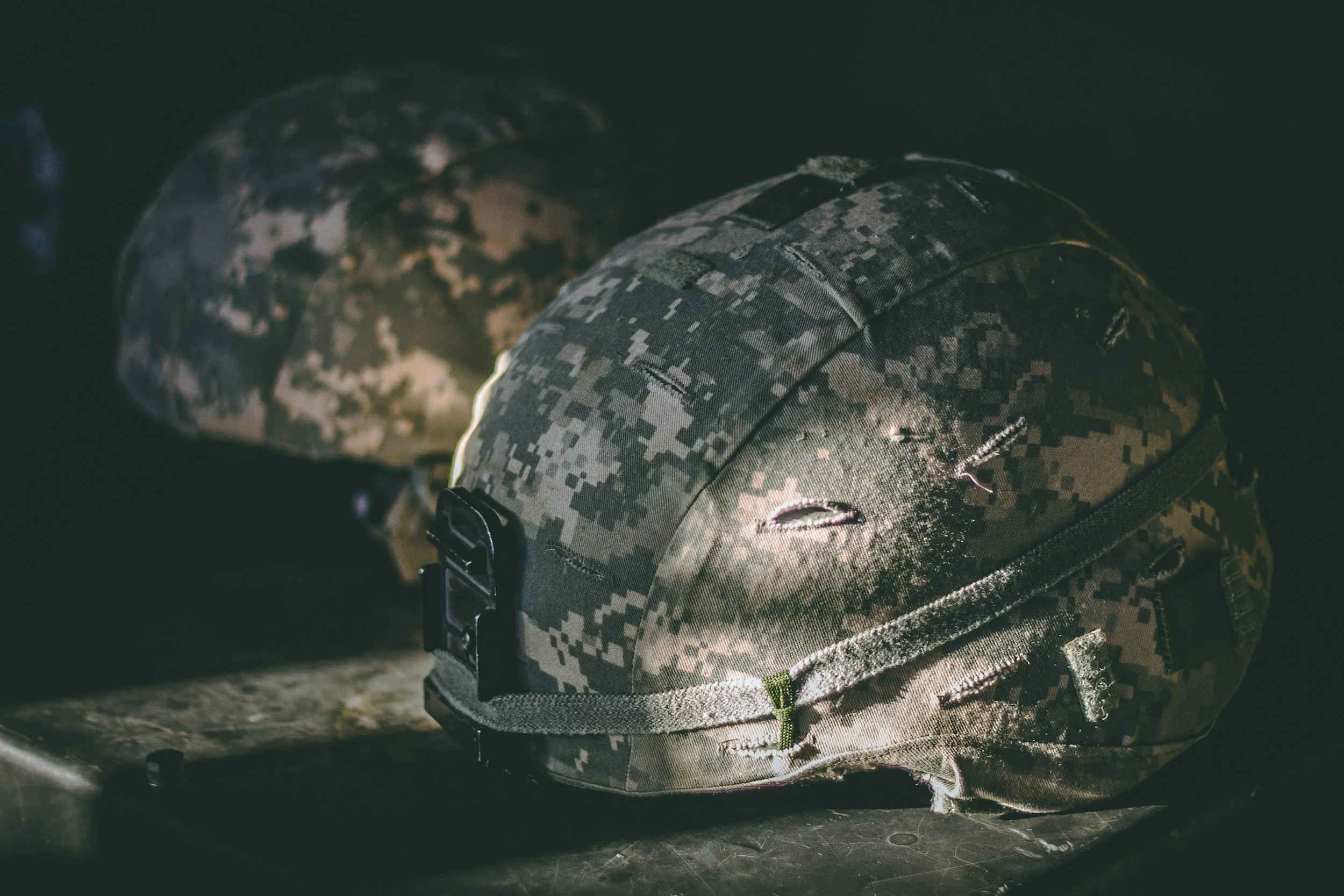
As the country celebrates independence this July, honoring the service of our military members, we must also acknowledge the battles many veterans continue to fight long after their uniforms are folded away.
For too many service members, the enemy wasn’t foreign. It was within their own ranks.
Military Sexual Trauma (MST) refers to sexual assault or harassment that occurs during military service. It affects thousands of veterans; women and men alike and yet remains one of the most underreported, stigmatized, and misunderstood forms of trauma.
At V.O.I.C.E.S. Against Sexual Assault, we are committed to supporting survivors of MST. This includes creating spaces where their experiences are acknowledged, their pain is believed, and their healing is prioritized.
What Is Military Sexual Trauma?
MST is defined by the U.S. Department of Veterans Affairs as “psychological trauma resulting from a physical assault of a sexual nature, battery of a sexual nature, or sexual harassment that occurred while the veteran was serving on active duty, active duty for training, or inactive duty training.”
It includes:
Unwanted sexual advances or comments
Sexual coercion by someone in a position of power
Rape or attempted rape
Pressure to engage in sexual acts in exchange for promotion, safety, or silence
Invasion of personal space or unwanted physical contact
MST can happen to anyone; regardless of gender, rank, or branch of service.
The Invisible Wounds of MST
Survivors of MST often carry their trauma in silence. Reporting can feel dangerous, especially in a rigid chain of command culture where the perpetrator may outrank the survivor, or where reporting can result in retaliation, isolation, or discharge.
Many MST survivors experience:
Post-traumatic stress disorder (PTSD)
Anxiety, depression, or suicidal ideation
Substance use as a means of coping
Difficulty trusting others or building relationships
Shame, guilt, and a deeply fractured sense of self
Disconnection from their identity as a veteran or service member
This trauma is compounded by the reality that many are met not with support, but with disbelief, gaslighting, or administrative punishment for coming forward.
Why Many MST Survivors Don't Speak Out
Silence is often a survival strategy.
Some fear being labeled as weak or dramatic
Others have seen what happens to those who speak up; lost careers, social ostracization, retaliation
For male survivors, the stigma is even deeper. Many fear being emasculated, dismissed, or told to "man up"
And for women, especially women of color, speaking up often means being seen as “difficult,” “disloyal,” or not a team player
At VOICES, we work to undo this damage by offering survivors a place where they don't have to defend their truth or relive the betrayal—they are simply welcomed, heard, and supported.
Creating a Pathway to Healing
Our Healing Voices program, including our Men's Healing Program and future veterans-specific offerings, provides MST survivors with:
Trauma-informed therapy with clinicians who understand complex trauma
Life coaching to support survivors in rebuilding their confidence, relationships, and sense of identity
Safe, peer-based group environments where survivors can process their trauma and rebuild trust
Retreats that include somatic healing tools such as trauma-informed yoga, art therapy, and mindfulness
We believe that healing is not just about processing trauma, it’s about reclaiming what was taken: voice, agency, identity, and peace.
The Call to Action This July
As we celebrate freedom this month, let us remember that many veterans are still seeking freedom from the trauma they endured while serving this country.
Here’s how you can take action:
Support organizations like VOICES that are committed to providing free, long-term care for survivors of MST and other forms of sexual trauma
Talk about MST, it is more common than many realize, and naming it creates permission for others to speak
Advocate for military reform and accountability that protects survivors instead of silencing them
Sponsor a veteran’s participation in our programs
If you’re a survivor of MST, know this: you are not alone, and there is no expiration on your right to heal
Final Thought
The cost of service should never include silence, shame, or survival at the expense of one’s mental and emotional well-being.
Healing from MST is a form of resistance. It is a form of reclamation. And it is possible, with the right support, the right space, and the right community.
If you're ready to begin your healing journey, or if you're looking for a way to give back to those who have served and suffered, we invite you to join us.
Your voice matters. Your story matters. And at VOICES, we are here to listen.